

Introduction & Background
Nature has always been a source of wonder and inspiration for humanity. In a world dominated by technology and urban landscapes, the call of the wild grows stronger with each passing day. “Whispers of the Wild” invites you to step beyond the beaten path and discover hidden paradises where nature thrives undisturbed. These secret corners of the Earth are not just destinations. They are sanctuaries for the soul, offering peace, adventure, and a deep connection to the natural world. Whether you are an avid traveler, a nature enthusiast, or someone seeking solace from daily life, exploring these pristine environments can transform your perspective and rejuvenate your spirit.
Concept & Overview
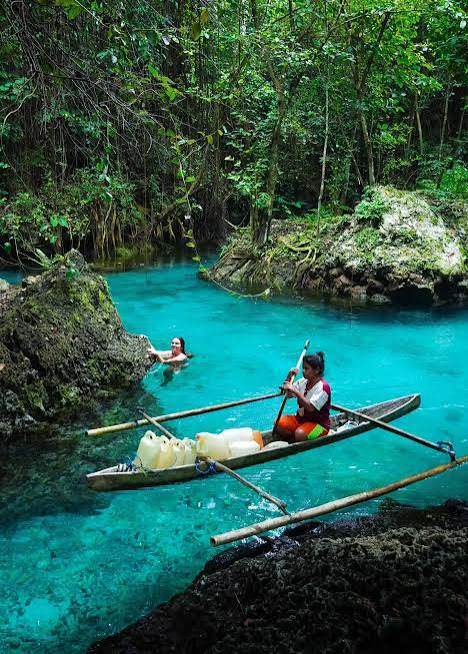
“Whispers of the Wild” is more than just a phrase. It represents an exploration into the lesser-known wonders of nature that often go unnoticed. These hidden paradises are places where the air is fresher, the landscapes are more dramatic, and the wildlife is more abundant. They are pockets of untouched beauty that remind us of the Earth’s incredible diversity. Unlike popular tourist destinations, these locations offer solitude and authenticity, allowing visitors to experience nature in its purest form. From remote forests to secluded beaches, each paradise tells a unique story of resilience and harmony, waiting to be uncovered by those who seek them out.
Key Features & Highlights
- Biodiversity Hotspots: These hidden gems often host an incredible variety of flora and fauna. Some are home to endangered species, making them vital for conservation efforts. The vibrant colors of tropical birds, the delicate petals of rare orchids, and the playful antics of wild animals create a living tapestry of life.
- Secluded Beaches: Away from crowded resorts, these beaches boast powdery white sand and crystal-clear waters. They provide the perfect setting for relaxation, meditation, or even snorkeling adventures among colorful coral reefs.
- Ancient Forests: With towering trees and moss-covered trails, these forests feel like stepping into another era. The stillness and grandeur of these woodlands offer a rare opportunity to disconnect from the modern world and reconnect with nature.
- Mountain Retreats: High-altitude regions often hide breathtaking valleys and serene lakes. These areas are ideal for hiking, birdwatching, or simply enjoying panoramic views that stretch beyond the horizon.
- Undiscovered Caves: Deep within the Earth lie caves adorned with stalactites and stalagmites. Exploring these subterranean worlds reveals a silent, otherworldly beauty that few have witnessed.
Frequently Asked Questions / Pros & Cons
What defines a hidden paradise in nature?
A hidden paradise is typically a location that remains largely unexplored by mass tourism. It is characterized by its untouched beauty, rich biodiversity, and a sense of tranquility that is hard to find elsewhere. These places often require effort to reach, whether through long hikes, boat rides, or remote travel, which adds to their allure.
Are these destinations safe for solo travelers?
Safety depends on the specific location. While many hidden paradises are safe, some may lack infrastructure, medical facilities, or easy access to help. It is essential to research thoroughly, inform others of your plans, and consider traveling with a guide. Local knowledge and preparation are key to ensuring a secure and enjoyable experience.
What is the best time of year to visit these places?
The ideal time varies by destination. Some locations are best visited during dry seasons for easier access and better wildlife sightings, while others may be more vibrant during rainy periods when flora is in full bloom. Always check seasonal conditions and local recommendations before planning your trip.
Do hidden paradises contribute to environmental conservation?
Yes, many of these areas are protected by conservation initiatives aimed at preserving their unique ecosystems. By visiting responsibly and supporting eco-friendly tourism, travelers can help sustain these environments. Responsible practices include minimizing waste, respecting wildlife, and choosing accommodations that prioritize sustainability.
Pros and Cons of Exploring Hidden Paradises
- Pros:
- Opportunities to experience nature in its purest form.
- Chances to observe rare wildlife and rare ecosystems.
- Escape from overcrowded tourist destinations.
- Personal growth through adventure and challenge.
- Cons:
- Potential difficulties in accessing remote locations.
- Limited infrastructure, such as accommodations or medical services.
- Higher costs for guided tours or specialized travel arrangements.
- Risk of environmental impact if not visited responsibly.
Practical Guidance & Solutions
Venturing into nature’s hidden paradises requires careful planning to ensure a meaningful and safe experience. Start by identifying the type of paradise you wish to explore. If beaches are your goal, research destinations known for their seclusion and accessibility. For forest adventures, look for well-marked trails and local guides who can enhance your understanding of the ecosystem. Always pack appropriate gear, including sturdy footwear, weather-appropriate clothing, and eco-friendly supplies.
Before setting off, learn about the cultural and environmental norms of the area. Some regions may have sacred sites or conservation rules that must be respected. Carry a map or use a reliable GPS system, as signals can be weak in remote locations. Stay hydrated, carry a first-aid kit, and inform someone you trust about your itinerary. If possible, travel in small groups to share both the experience and the responsibility of minimizing impact.
Engaging with local communities can enrich your journey dramatically. They often possess invaluable knowledge about the land and its hidden gems. Supporting local businesses, such as family-run guesthouses or eco-lodges, contributes to sustainable tourism and helps preserve the area’s natural beauty. Finally, practice Leave No Trace principles. Take only memories and leave only footprints, ensuring these paradises remain pristine for future generations.
Conclusion
The whispers of the wild are not just sounds. They are invitations to rediscover our planet’s hidden treasures. These secret paradises offer more than just escape. They provide a chance to witness the Earth’s raw beauty, to reconnect with our primal instincts, and to find peace in the quiet corners of the world. As you step off the beaten path, remember that every footprint you leave should be gentle, and every memory you create should be cherished. Nature’s hidden paradises are not merely places to visit. They are experiences to live, lessons to learn, and legacies to protect. Let the whispers guide you to the wild, where wonder and tranquility await in abundance.


More Stories
Whispers of the Wild: Transformative Journeys Through Nature’s Embrace
Embracing the Wild: Uncharted Journeys Through Nature’s Splendor
Discovering the Wild: Nature Travel Adventures That Reconnect You to Earth