

Introduction & Background
Mountain trekking is more than just a physical activity. It is a transformative journey that connects humans with nature, challenges personal limits, and offers breathtaking views that words often fail to capture. For centuries, people have ventured into the high altitudes, driven by curiosity, the spirit of adventure, or a quest for inner peace. Today, mountain trekking has evolved into a globally celebrated outdoor pursuit, attracting millions of enthusiasts from all walks of life. Beyond the thrill of reaching summits, it fosters resilience, mindfulness, and a deep appreciation for the natural world. Whether it is the mighty Himalayas, the rugged Andes, or the serene Alps, each mountain range tells a story of its own, beckoning explorers to uncover its secrets.
Concept & Overview
Mountain trekking can be defined as a multi-day or extended hike through mountainous terrain, often involving significant elevation gain and exposure to varying weather conditions. Unlike casual hiking, trekking typically requires careful planning, endurance, and a sense of adventure. It is not merely about walking; it is about immersing oneself in an environment where every step tests both body and mind. The essence of trekking lies in its ability to disconnect individuals from the noise of modern life and reconnect them with the raw beauty of the earth. It encourages self-reliance, teamwork, and environmental stewardship. From easy trails suitable for beginners to extreme expeditions reserved for seasoned mountaineers, trekking offers experiences that cater to a wide range of skill levels and aspirations.
Key Features & Highlights
- Diverse Terrains: Treks traverse a variety of landscapes, including lush valleys, rocky ridges, glacial paths, and high-altitude plateaus. Each terrain presents unique challenges and rewards, shaping the overall experience.
- Cultural Immersion: Many treks pass through remote villages and communities, providing opportunities to interact with local cultures, traditions, and lifestyles. This cultural exchange enriches the journey and broadens perspectives.
- Physical and Mental Challenge: The demanding nature of trekking builds strength, endurance, and mental toughness. Climbing steep inclines or navigating unpredictable weather fosters perseverance and confidence.
- Panoramic Vistas: The reward of reaching a viewpoint or summit is unparalleled. The sweeping vistas of snow-capped peaks, verdant forests, and rolling clouds create moments of awe and inspiration.
- Eco-Sensitive Travel: Responsible trekking emphasizes minimizing environmental impact. Practices such as leaving no trace, using eco-friendly gear, and supporting local conservation efforts are integral to sustainable trekking.
- Camaraderie and Solitude: Trekking can be a solitary endeavor or a shared experience with fellow trekkers. Both scenarios offer unique benefits, from deep introspection during solo treks to joyful bonding on group expeditions.
Frequently Asked Questions / Pros & Cons
Why do people choose mountain trekking over other outdoor activities?
Mountain trekking appeals to those seeking more than just physical exercise. It provides a holistic experience that combines adventure, nature immersion, and personal growth. Unlike activities confined to flat terrains, trekking allows individuals to explore remote and pristine environments, fostering a sense of discovery and accomplishment.
What are the main challenges faced during mountain trekking?
The challenges vary depending on the trek, but common difficulties include unpredictable weather, steep and slippery trails, altitude sickness, and physical exhaustion. Mental challenges such as overcoming fear, staying motivated, and adapting to solitude also play a significant role. Proper preparation and respect for nature’s unpredictability are key to overcoming these hurdles.
Is mountain trekking suitable for beginners?
Yes, many treks are designed for beginners, provided they choose routes that match their fitness levels and experience. Shorter treks or those with gradual elevation gain are ideal starting points. Beginners should focus on building endurance, learning essential skills, and trekking with experienced guides or groups to ensure safety and confidence.
What equipment is essential for a safe trek?
A safe trek requires several essential items, including sturdy hiking boots, weather-appropriate clothing, a backpack, a map or GPS device, a first-aid kit, sufficient water, and high-energy snacks. Additional gear such as trekking poles, a headlamp, and a sleeping bag may also be necessary depending on the trek’s duration and conditions.
How does altitude affect trekkers, and how can it be managed?
Altitude can cause altitude sickness, characterized by symptoms such as headaches, nausea, dizziness, and fatigue. To manage this, trekkers should acclimatize gradually by spending extra days at higher altitudes before ascending further. Staying hydrated, avoiding alcohol, and maintaining a steady pace are also crucial. In severe cases, descending to lower altitudes is necessary for recovery.
What are the pros and cons of trekking in groups versus solo?
Trekking in groups offers safety in numbers, shared resources, and social interaction, making it ideal for beginners or those seeking companionship. On the other hand, solo trekking provides solitude, self-reliance, and a deeper connection with nature. However, solo trekkers must be highly experienced, well-prepared, and aware of the risks involved in venturing alone.
Practical Guidance & Solutions
Embarking on a mountain trekking journey requires thoughtful planning and preparation. Begin by selecting a trek that aligns with your fitness level and interests. Research the route, weather conditions, and local regulations to avoid surprises. Invest in quality gear and break in your boots before the trek to prevent blisters and discomfort. Physical conditioning is vital, so incorporate cardio and strength training into your routine months in advance.
Acclimatization cannot be overemphasized, especially for high-altitude treks. Plan your itinerary to include rest days, allowing your body to adapt to lower oxygen levels. Stay hydrated by drinking plenty of water and avoid heavy meals that may cause discomfort. Pack light but smart, carrying only essentials to reduce strain while ensuring you have everything you need.
Safety should always come first. Trek with a reliable guide or group, especially if you are inexperienced or trekking in remote areas. Share your itinerary with someone trustworthy and check in regularly. Familiarize yourself with basic first aid and emergency procedures. Respect the environment by adhering to Leave No Trace principles, disposing of waste properly, and minimizing your footprint.
Mental preparation is just as important as physical readiness. Practice mindfulness techniques to stay present and manage stress during challenging moments. Keep a journal to document your journey, capturing the beauty around you and the emotions that arise. Embrace the unpredictability of the trek as part of the adventure, learning to adapt and find joy even in setbacks.
Finally, approach your trek with humility and gratitude. Mountains command respect, and trekking is a privilege, not a right. Take time to learn about the local culture and history of the region you are exploring. Support local communities by purchasing supplies and services from them. By doing so, you contribute to sustainable tourism and enrich your own experience.
Conclusion
Mountain trekking is a soul-stirring journey that transcends the ordinary. It challenges the body, inspires the mind, and nourishes the spirit. Whether you are drawn to the thrill of conquering peaks, the serenity of untouched landscapes, or the warmth of human connection in remote villages, trekking offers something profound for everyone. It reminds us of our place in the natural world and the importance of preserving it for future generations. As you lace up your boots and set out on the trail, remember that the greatest rewards are not just the summits you reach, but the person you become along the way. So, embrace the adventure, respect the mountains, and let the journey transform you from the inside out.


More Stories
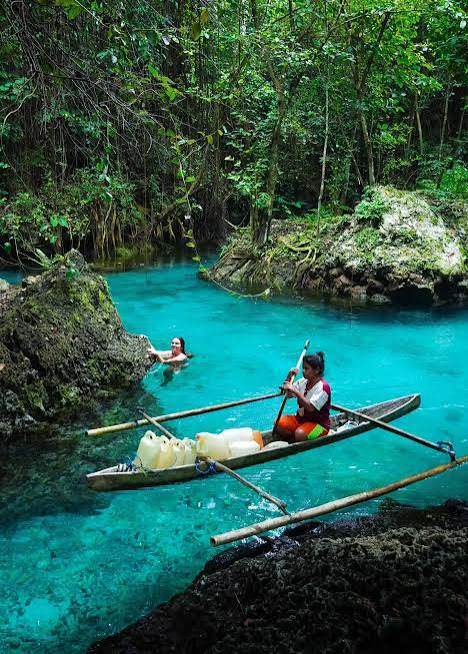
Banggai Islands Tour: Complete Guide to Routes, Costs, and Travel Tips
Mystic Peaks and Hidden Trails: Unveiling the World’s Most Enchanting Hiking Adventures
Conquer the Heights: Unforgettable Journeys through Mountain Trekking