

Unlocking the Magic of Hidden Gems: Why Scenic Journeys Matter
In a world where travel has become synonymous with crowded tourist hotspots and overrated destinations, the allure of hidden gems has never been stronger. These lesser-known locations offer something rare and precious: the chance to experience the world’s beauty without the noise of mass tourism. Unlike their famous counterparts, hidden gems allow travelers to connect deeply with nature, culture, and local traditions in ways that feel authentic and personal. Whether it’s a secluded beach in Croatia, a quiet village in the Swiss Alps, or a hidden temple in Myanmar, these destinations invite exploration and discovery on a more intimate scale.
But what exactly makes a travel destination a “hidden gem”? It’s not just about being off the beaten path—it’s about the stories untold, the landscapes untouched, and the cultures preserved away from the spotlight. These places often lack the infrastructure and marketing of major tourist hubs, which paradoxically makes them more rewarding for those willing to venture off the main route. The beauty of scenic journeys lies in their unpredictability; every turn reveals a new wonder, and every interaction with locals becomes a lesson in humanity. For the intrepid traveler, the pursuit of hidden gems is not just about ticking boxes on a travel list—it’s about creating memories that linger long after the journey ends.
Top Scenic Journeys to Add to Your Bucket List
The world is brimming with breathtaking routes that promise unforgettable visuals and soul-stirring experiences. Below are some of the most spectacular scenic journeys that deserve a spot on your travel itinerary. Each offers a unique blend of natural beauty, cultural richness, and adventure, ensuring that your trip will be anything but ordinary.
1. The Road to Hvar, Croatia: A Mediterranean Paradise
Croatia’s Dalmatian Coast is famous for its stunning islands, but the journey to Hvar is an adventure in itself. Instead of flying directly to the island, take the scenic route by driving or taking a ferry from Split. The coastal road winds past ancient olive groves, vineyards, and historic towns like Trogir and Omiš. Upon arriving in Hvar, you’ll be greeted by a mix of medieval charm and vibrant nightlife, all framed by the turquoise Adriatic Sea. The island’s lavender fields, hidden coves, and dramatic cliffs make it a hidden gem worth discovering.
2. The Transfăgărășan Highway, Romania: Europe’s Most Dramatic Drive
Often called the “best road in the world,” the Transfăgărășan Highway is a masterpiece of engineering and natural beauty. Winding through the Carpathian Mountains at altitudes over 2,000 meters, this serpentine route offers jaw-dropping views of alpine meadows, glacial lakes, and rugged peaks. The road was built in the 1970s under Ceaușescu’s regime and remains one of Romania’s best-kept secrets. Whether you’re driving or cycling, the Transfăgărășan promises an adrenaline rush and panoramic vistas that rival even the Swiss Alps.
3. The Annapurna Circuit, Nepal: A Himalayan Odyssey
For those seeking adventure and spiritual solace, the Annapurna Circuit is one of the most rewarding treks in the world. This ancient trade route circles the Annapurna Massif, taking you through diverse landscapes—from lush subtropical forests to arid high-altitude deserts. Along the way, you’ll encounter traditional Gurung and Thakali villages, terraced rice fields, and breathtaking viewpoints like Poon Hill. Unlike the more commercialized Everest Base Camp trek, the Annapurna Circuit offers a quieter, more immersive experience in the heart of the Himalayas.
4. The Skeleton Coast, Namibia: A Desert of Mystery and Beauty
Namibia’s Skeleton Coast is one of the most desolate yet mesmerizing landscapes on Earth. Named for the whale and shipwreck bones that litter its shores, this coastal desert is a place of stark contrasts—where the Atlantic Ocean crashes against towering dunes and the desert meets the sea in a surreal union. The journey here is as much about the destination as it is about the drive. Traveling by 4×4 along the rugged coastline, you’ll spot desert-adapted elephants, seal colonies, and the eerie beauty of the “moon landscape.” Few places on Earth feel as untouched or as hauntingly beautiful.
5. The Douro Valley, Portugal: A River of Vineyards and Wonders
While Portugal’s Douro Valley is gaining popularity, it remains a hidden gem compared to other European wine regions like Tuscany or Bordeaux. This UNESCO-listed landscape is a patchwork of terraced vineyards, olive groves, and picturesque villages, all cradled by the winding Douro River. A scenic train journey from Porto or a leisurely boat cruise along the river offers a front-row seat to the valley’s beauty. The region is also home to some of Portugal’s finest wineries, where you can sample world-class port and table wines while soaking in views that look like a painting.
How to Plan Your Own Scenic Journey
Embarking on a scenic journey requires more than just picking a destination—it demands thoughtful planning to ensure the experience is as smooth as it is unforgettable. Whether you’re a solo traveler, a couple, or a family, the key to a successful trip lies in preparation, flexibility, and a willingness to embrace the unexpected. Below are some essential tips to help you craft your own hidden gem adventure.
Research and Choose Your Route Wisely
Not all hidden gems are created equal, and some may require more effort to reach than others. Start by narrowing down your interests—are you drawn to mountains, coastlines, deserts, or cultural landscapes? Once you’ve identified the type of scenery that excites you, research routes that align with your travel style. Consider factors like:
- Accessibility: Some hidden gems may require long detours or off-road travel. Make sure you’re comfortable with the journey’s logistics.
- Seasonality: Weather can dramatically alter the experience. For example, the Transfăgărășan Highway is closed in winter, while the Annapurna Circuit is best trekked in autumn or spring.
- Local Conditions: Check for road closures, permits, or political situations that might affect your trip.
Websites like Rome2Rio and travel blogs can provide valuable insights into the best ways to reach your chosen destination. Don’t hesitate to reach out to locals or travel forums for firsthand advice—those who’ve been there often have the most practical tips.
Pack Light but Smart
When traveling to remote or rugged destinations, packing efficiently is crucial. Your goal should be to bring only what you need while ensuring you’re prepared for changing conditions. Here’s a quick packing checklist to consider:
- Clothing: Layered clothing is essential for fluctuating temperatures. Include moisture-wicking fabrics, a waterproof jacket, and sturdy footwear.
- Gear: Depending on your journey, you may need items like a good camera, a portable charger, a reusable water bottle, or hiking poles.
- Safety: A basic first-aid kit, a map or GPS device, and a whistle can be lifesavers in isolated areas.
- Local Essentials: Learn a few phrases in the local language and bring small gifts (like chocolates or postcards) to show appreciation to your hosts.
Remember, the less you carry, the more freedom you’ll have to explore. If you’re traveling by car or public transport, consider the weight and space constraints of your luggage.
Embrace Slow Travel
One of the greatest joys of discovering hidden gems is the opportunity to slow down and savor the journey. Unlike rushed trips to major cities, scenic routes reward patience and curiosity. Instead of rushing from one landmark to another, take the time to:
- Stop and Stare: Pull over at viewpoints, take short hikes, or simply sit in a café and watch the world go by.
- Engage with Locals: Strike up conversations with shopkeepers, farmers, or fellow travelers. These interactions often lead to unexpected discoveries.
- Document the Journey: Keep a travel journal, sketch the landscapes, or take photographs that capture the essence of the place rather than just the scenery.
Slow travel also means being flexible with your plans. If you stumble upon a charming village or a lesser-known trail, allow yourself the freedom to deviate from your original itinerary. Some of the best travel memories are unplanned.
Challenges and Rewards of Exploring Hidden Gems
While the rewards of discovering hidden gems are immense, it’s important to acknowledge the challenges that come with venturing off the beaten path. These trips often require more effort, patience, and adaptability than typical tourist experiences. However, for those who embrace the journey, the payoff is immeasurable.
Overcoming Common Obstacles
Traveling to remote or less-visited destinations isn’t always smooth sailing. Some common challenges include:
- Limited Infrastructure: In some hidden gems, accommodations, roads, and communication networks may be basic or nonexistent. This means you might need to rough it or plan carefully for amenities.
- Language Barriers: Not everyone speaks English, and translation tools may not always be reliable. Learning a few key phrases or carrying a phrasebook can go a long way.
- Unpredictable Weather: Remote areas are often subject to sudden weather changes. Always check forecasts and pack accordingly.
- Cultural Differences: Some destinations may have customs or rules that are unfamiliar to travelers. Respect local traditions and ask questions if you’re unsure.
Despite these challenges, the sense of accomplishment that comes from overcoming them is part of what makes hidden gem travel so rewarding. Each obstacle overcome is a story to tell, a lesson learned, and a memory forged.
The Rewards of Authentic Experiences
The true magic of hidden gems lies in the authentic experiences they offer. Unlike tourist traps where interactions feel staged, these destinations provide genuine connections with people, places, and cultures. Some of the most rewarding aspects include:
- Cultural Immersion: Staying in a family-run guesthouse, attending a local festival, or sharing a meal with villagers can give you a deeper understanding of a place than any guidebook ever could.
- Natural Beauty: Hidden gems often boast landscapes that remain untouched by commercialization. Whether it’s a secluded beach, a pristine forest, or a quiet mountain valley, these places allow you to reconnect with nature in its purest form.
- Personal Growth: Navigating unfamiliar terrain, dealing with unexpected situations, and stepping outside your comfort zone can boost confidence and foster resilience.
- Unique Adventures: From hiking to hidden waterfalls to kayaking in secret coves, these journeys often lead to once-in-a-lifetime experiences that mainstream tourism can’t replicate.
For many travelers, the most cherished memories aren’t of the places they visited, but of the people they met and the stories they collected along the way. Hidden gems provide the perfect backdrop for these meaningful encounters.
Sustainable Travel: Protecting the World’s Hidden Gems
As travelers, we have a responsibility to explore the world in a way that preserves its beauty for future generations. Hidden gems are particularly vulnerable to the negative impacts of tourism, as their delicate ecosystems and local cultures can be easily disrupted by mass visitation. Sustainable travel ensures that these treasures remain intact for years to come. Here’s how you can minimize your footprint and travel responsibly.
Leave No Trace Principles
The Leave No Trace movement provides a framework for minimizing environmental impact while enjoying the outdoors. Here’s how you can apply its principles to your scenic journey:
- Plan Ahead and Prepare: Research your destination’s regulations, weather conditions, and any potential hazards. This reduces the risk of getting lost or causing unintentional damage.
- Travel and Camp on Durable Surfaces: Stick to established trails and campsites to avoid trampling delicate vegetation.
- Dispose of Waste Properly: Pack out all trash, including food scraps and hygiene products. Use designated restrooms or dig a cat hole (at least 200 feet from water sources) if none are available.
- Leave What You Find: Resist the temptation to take souvenirs like rocks, plants, or artifacts. These items are part of the ecosystem and cultural heritage.
- Minimize Campfire Impact: Use a camp stove for cooking instead of making a fire, and only light fires in established rings if permitted.
- Respect Wildlife: Observe animals from a distance and never feed them. Human food can harm wildlife and alter their natural behaviors.
- Be Considerate of Other Visitors: Keep noise levels low, yield to other travelers on trails, and respect private property.
By following these guidelines, you can enjoy the beauty of hidden gems without leaving a lasting mark on the environment.
Supporting Local Communities
Sustainable travel isn’t just about protecting the environment—it’s also about supporting the people who call these destinations home. Here’s how you can contribute positively to local communities:
- Stay in Locally Owned Accommodations: Choose guesthouses, homestays, or small hotels rather than international chains. This ensures that your money stays within the community.
- Eat at Local Restaurants: Dining at family-run eateries or street food stalls not only supports local businesses but also gives you a taste of authentic cuisine.
- Buy Handmade Souvenirs: Purchase goods directly from artisans or markets rather than buying mass-produced items from tourist shops.
- Hire Local Guides: Employing local guides not only provides you with insider knowledge but also creates jobs and economic opportunities for residents.
- Respect Cultural Norms: Dress modestly, ask before taking photos of people, and follow local customs to avoid offending the community.
When travelers engage with local communities respectfully and responsibly, they help preserve the cultural fabric of hidden gems and ensure that these places remain vibrant and authentic.
Choosing Eco-Friendly Transportation
The way you travel to and around a hidden gem can significantly impact its sustainability. Consider these eco-friendly alternatives:
- Public Transport: Trains, buses, and ferries are often more energy-efficient than private cars or planes. For example, the Douro Valley’s scenic train offers a low-carbon way to explore the region.
- Carpooling or Ridesharing: If driving is necessary, share rides with fellow travelers to reduce emissions.
- Biking or Walking: For short distances, explore on foot or by bicycle to minimize your carbon footprint.
- Electric or Hybrid Vehicles: If renting a car, opt for an electric or hybrid model where available.
Additionally, offset your carbon emissions if you must fly or drive long distances. Many organizations offer carbon offset programs that fund renewable energy projects or reforestation efforts.
Inspiration for Your Next Adventure
If you’re feeling inspired to explore the world’s hidden gems but aren’t sure where to start, here are a few more destinations to spark your wanderlust. Each offers a unique blend of scenery, culture, and adventure, promising an unforgettable journey.
1. The Faroe Islands, Denmark: A Nordic Dream
Nestled between Norway and Iceland, the Faroe Islands are a remote archipelago where dramatic cliffs meet the North Atlantic Ocean. With a population of just 50,000, these islands remain largely undiscovered by mass tourism. Highlights include the puffins of Mykines, the cascading waterfalls of Gásadalur, and the ancient turf-roofed houses of Tórshavn. The Faroe Islands are a paradise for hikers, photographers, and anyone seeking solitude in a breathtaking setting.
2. Socotra Island, Yemen: The Alien Island
Often called the “Galápagos of the Indian Ocean,” Socotra is a UNESCO-listed island that looks like it’s from another planet. Its surreal landscape is dominated by dragon’s blood trees, limestone plateaus, and white sand dunes. Due to its remote location and political instability, Socotra remains one of the least-visited places on Earth. Traveling here requires careful planning, but the reward is a landscape that feels straight out of a fantasy novel.
3. The Azores, Portugal: Europe’s Best-Kept Secret
This group of nine volcanic islands in the middle of the Atlantic Ocean is a haven for nature lovers. The Azores boast crater lakes, bubbling hot springs, whale-watching opportunities, and lush green landscapes. Unlike more crowded European destinations, the Azores offer a peaceful retreat where you can hike, swim in natural pools, or simply enjoy the slow pace of island life.
4. Siargao Island, Philippines: The Surfing Capital of the Philippines
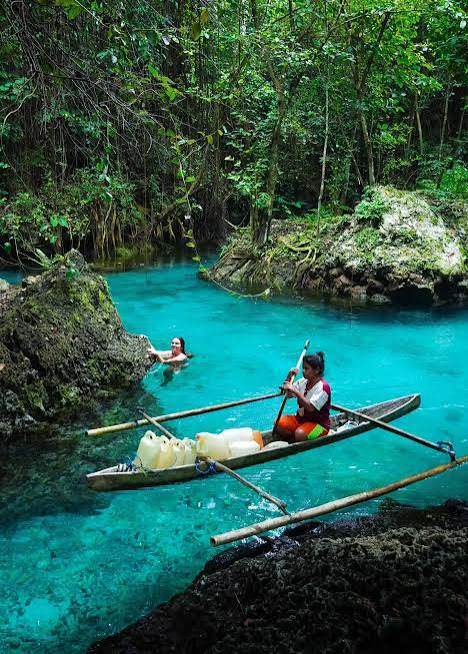
While the Philippines is becoming more popular, Siargao remains a hidden gem compared to beaches like Boracay or Palawan. Known as the surfing capital of the country, Siargao offers world-class waves, palm-fringed beaches, and a laid-back island vibe. Beyond surfing, you can explore lagoons, waterfalls, and mangrove forests teeming with wildlife. The island’s charm lies in its simplicity and the warmth of its locals.
5. The Wakhan Corridor, Afghanistan: A Journey Through Time
For the truly adventurous, the Wakhan Corridor offers a glimpse into one of the most remote and culturally rich regions on Earth. This narrow strip of land in northeastern Afghanistan is bordered by Tajikistan, Pakistan, and China, and is home to the Wakhi people, who have preserved their traditions for centuries. The journey involves traversing high mountain passes, visiting ancient caravanserais, and experiencing the hospitality of a community untouched by modernity.
Final Thoughts: Why Hidden Gems Are Worth the Effort
The allure of popular tourist destinations is undeniable—there’s a reason places like Paris, Bali, and New York City draw millions of visitors each year. But for those willing to step off the well-trodden path, hidden gems offer something far more precious: the chance to experience the world in its rawest, most authentic form. These journeys are not just about seeing new places; they’re about rediscovering the wonder of travel itself.
Hidden gems remind us that adventure doesn’t always lie in the most famous landmarks or the most luxurious resorts. Often, it’s found in the quiet moments—the sunrise over a deserted beach, the laughter shared with a local family, the awe of standing atop a mountain where few have ever set foot. These experiences shape us, broaden our perspectives, and leave us with stories that resonate long after the trip is over.
So, the next time you’re planning a getaway, consider skipping the crowded hotspots and seeking out a hidden gem instead. Whether it’s a scenic drive through the Himalayas, a trek to a remote village, or a slow exploration of an untouched coastline, the rewards are boundless. The world is full of magic—you just have to know where to look.
Where will your next hidden gem adventure take you?


More Stories
Whispers of the Wild: Unveiling Nature’s Hidden Paradises
Whispers of the Wild: Transformative Journeys Through Nature’s Embrace
Embracing the Wild: Uncharted Journeys Through Nature’s Splendor